Pokemon Draft League Rules: How Tiers, Points and Weekly Matches Work
A practical beginner guide to drafting a unique roster, staying under a points budget, preparing weekly lineups, handling transactions, and running a fair season.
Quick answer: what is a Pokemon draft league?
A Pokemon draft league is a fan-run competitive season in which coaches take turns claiming Pokemon from a shared pool. Once a Pokemon is drafted, other coaches normally cannot use it. Each coach builds a larger season roster, then selects a legal battle lineup for each scheduled opponent.
Most leagues use tiers or point values to balance premium threats and lower-cost specialists. The commissioner must publish the generation, battle format, roster size, budget, draft order, transaction limits, deadlines, and playoff tiebreakers before the draft begins.
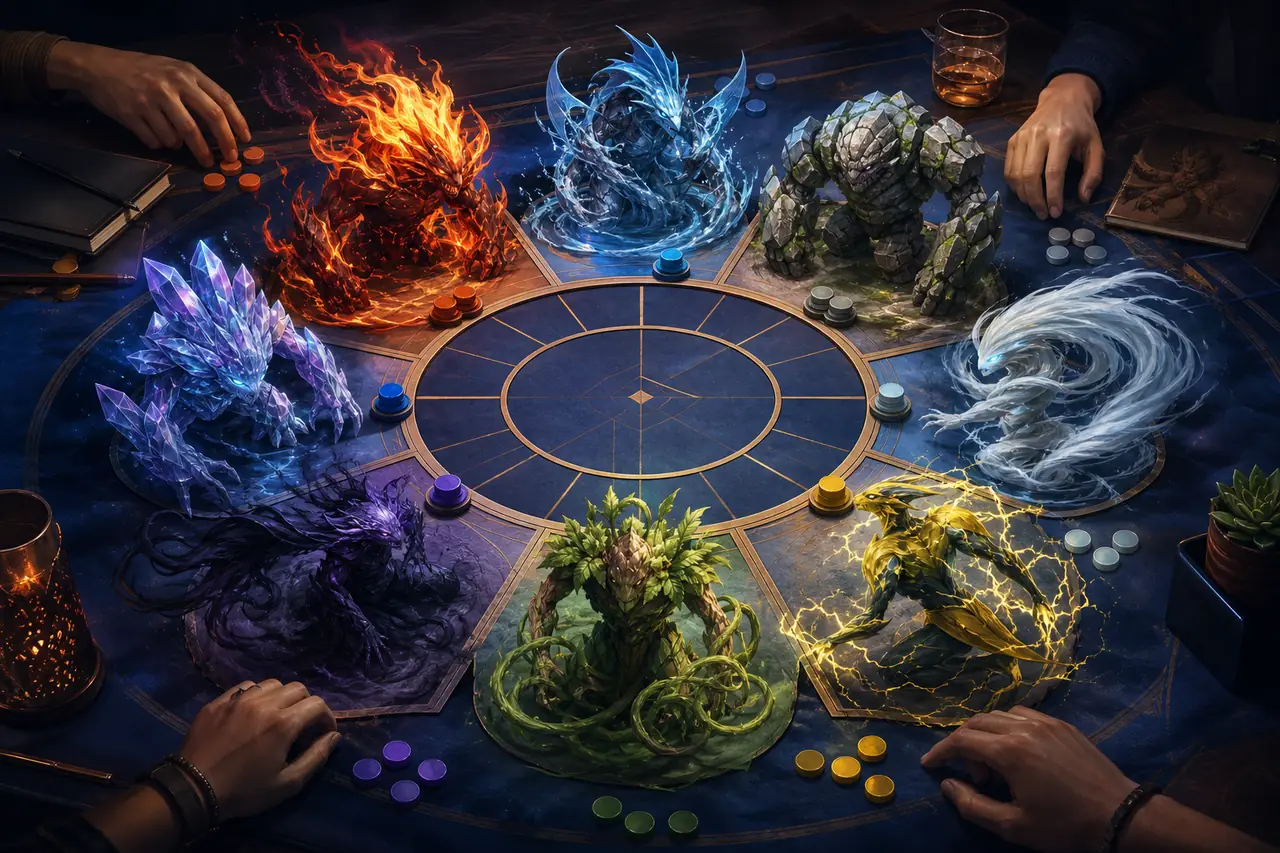
Core Pokemon draft league rules
Use these baseline rules for a first season, then publish every house-rule change before coaches submit picks.
- Use one shared draft board. Every eligible Pokemon can belong to only one coach unless the league explicitly allows duplicates.
- Set a roster budget. Give each species a tier or point value and require every completed roster to stay within the cap.
- Use a snake draft. Reverse the order after each round so the coach picking last in round one picks first in round two.
- Lock battle settings. State the game, generation, singles or doubles format, level, clauses, bans, and team size.
- Publish weekly deadlines. Coaches submit lineups and complete matches within a fixed round window, with extensions approved consistently.
- Track transactions. Free-agent claims, drops, trades, special captains, and replacement picks need written limits and timestamps.
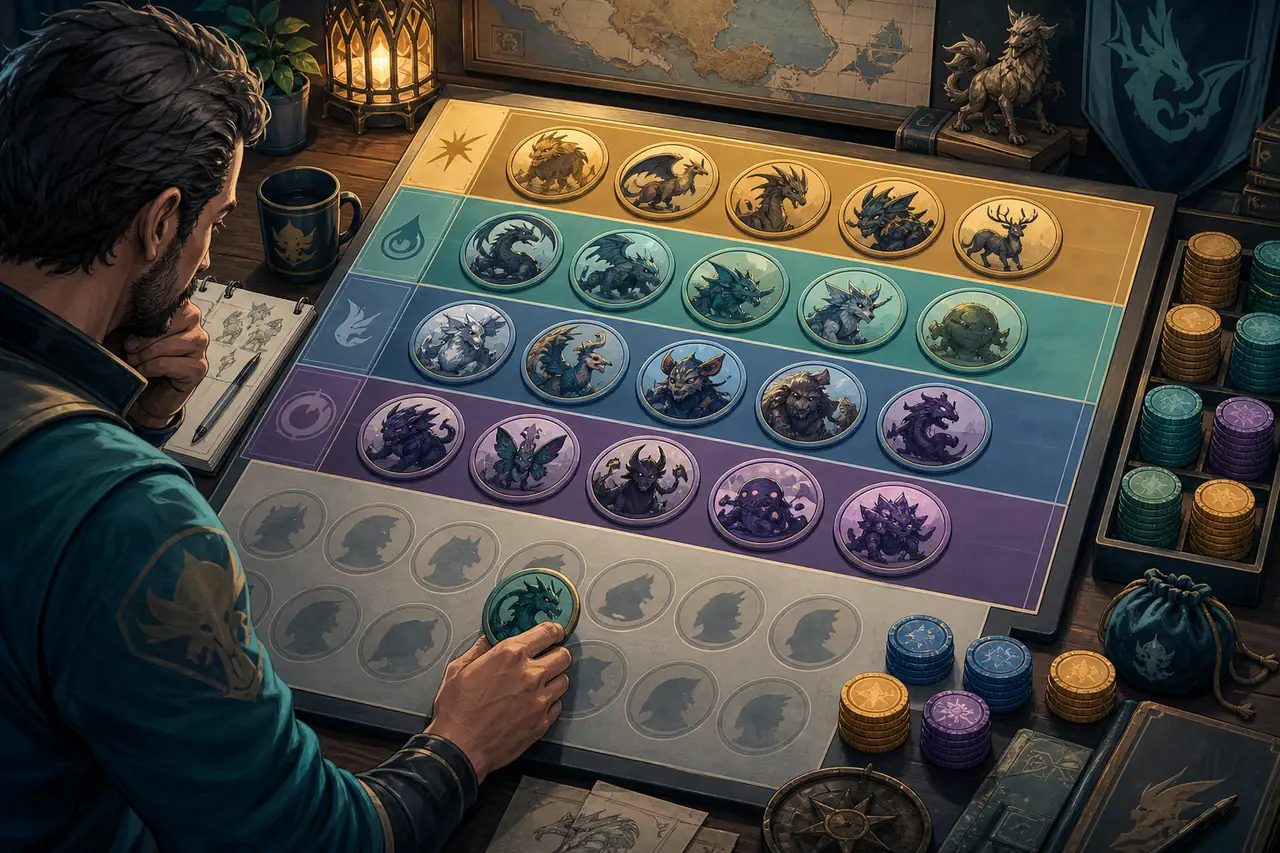
Recommended beginner league settings
This example is intentionally simple. Commissioners can scale it after the group understands the workflow.
| Setting | Beginner default | Why it works | Decision to publish |
|---|---|---|---|
| Coaches | 8 | Enough variety without a very long draft | Minimum activity and replacement policy |
| Roster | 10-12 Pokemon | Supports matchup planning and backup roles | Required number of low-tier picks |
| Budget | 100-120 points | Makes tier tradeoffs visible | Current values and update policy |
| Season | 7 weekly matches | Every coach can meet once | Deadline, extension, and forfeit rules |
| Playoffs | Top 4 | Short bracket with meaningful standings | Tiebreakers and seeding method |
How a Pokemon draft league differs from ladder play
On a normal competitive ladder, many players can bring the same top threats. In a draft league, the shared board creates exclusivity: if one coach drafts a species, everyone else must solve that matchup with different tools.
That changes team building. Coaches draft for season-long role coverage, but bring only a smaller lineup each week. Preparation, scouting, unusual moves, speed control, hazard plans, and role compression matter as much as raw tier strength.
- The season roster is larger than the lineup used in one match.
- Weekly preparation targets one opponent rather than the whole ladder.
- League standings reward match wins and often differential such as Pokemon remaining.
- Commissioners resolve scheduling, substitutions, and rule disputes.
Snake draft order and pick procedure
Randomize or seed the first-round order openly. In a snake draft, the order runs from first to last, then last to first. Continue alternating until every coach fills the required roster slots and budget conditions.
Use a visible timer and a central sheet or draft bot. A pick becomes final when posted in the official channel. If a coach times out, apply one published policy: automatic best available value, commissioner skip, or a short grace window.
- Confirm eligibility before announcing a pick.
- Deduct the exact tier or point cost immediately.
- Mark drafted species unavailable for every other coach.
- Record traded picks and replacement coaches in the same log.
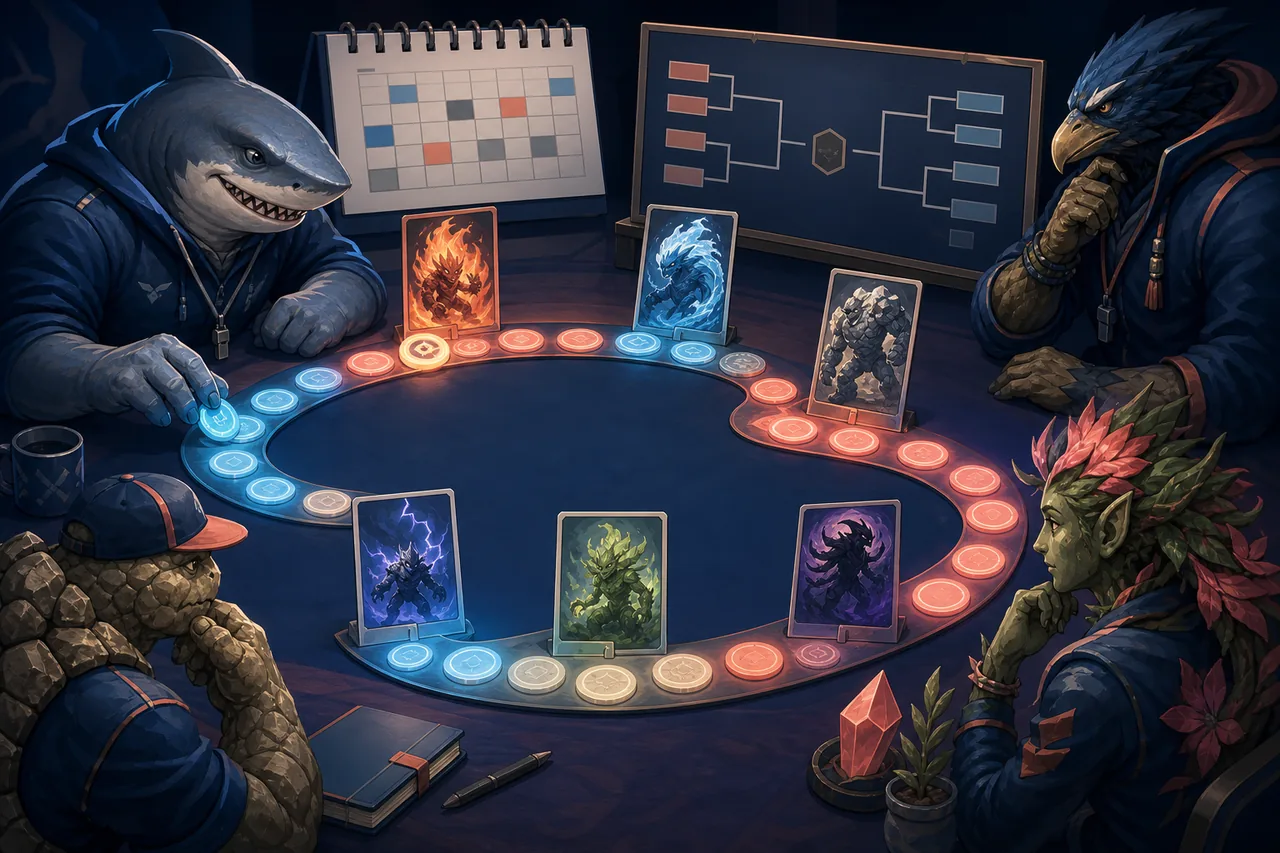
How tiers and points keep rosters balanced
A tier list groups Pokemon by expected draft value; a points list assigns a numeric cost. Neither system is perfect because value depends on format, generation, special mechanics, and the rest of a roster. Treat the list as a starting market, not a claim that every Pokemon in one tier is equal.
Good budgets force tradeoffs. Spending heavily on two premium threats leaves less room for speed, removal, walls, pivots, or matchup-specific tech. Require lower-tier picks so every roster has texture instead of only expensive names.
- Publish the full values before round one.
- Do not change costs mid-draft unless every coach agrees.
- Review overperformers only between seasons.
- Separate bans from high-cost legal picks.
Build a roster for roles, not just favorites
Start with a primary win condition, then cover speed tiers, physical and special damage, defensive pivots, entry hazards, removal, priority, status, and reliable recovery. Role coverage predicts weekly flexibility more accurately than a simple weakness chart.
Use the Pokemon Team Planner to test type overlap and the Random Pokemon Team Generator only for practice ideas. Final picks should respond to the live board, remaining budget, and the coaches who pick before your next turn.
- Draft at least two credible speed-control options.
- Avoid relying on one Pokemon for all hazard removal.
- Check whether key roles share the same weakness.
- Keep one flexible budget slot for late-board value.
Weekly lineup, match reporting and standings
Before each round, coaches scout the opponent's full roster and choose the legal battle squad. Many leagues use six Pokemon, but the season roster may contain ten or more. The match uses the published clauses, replay rules, and timer settings.
Afterward, report the winner, score, replay, and any rule issue. Standings may use wins first and differential second. Define disconnects, illegal sets, missed deadlines, and activity decisions in advance.
- Use one official scheduling channel.
- Require both coaches to confirm the result.
- Store replays for dispute review and content creation.
- Publish standings after every completed week.
Free agency, trades and playoffs
Transactions let coaches repair a draft, but unlimited changes erase the value of the original board. Set a season cap, weekly deadline, and rule for simultaneous claims. A dropped Pokemon normally returns to the free-agent pool after processing.
For playoffs, lock or limit transactions and publish seeding before the final week. Common tiebreakers include head-to-head result, differential, strength of schedule, or a short play-in match. Use only rules written before they become relevant.
- Log every add, drop, and trade publicly.
- Prevent collusive trades with commissioner review.
- Keep every roster under budget after a transaction.
- State whether playoff rosters lock at qualification.
Pokemon Draft League FAQ
How many Pokemon are on a draft league roster?
Many beginner leagues use 10 to 12 Pokemon, then allow a smaller weekly lineup such as six. Publish both numbers.
What is a snake draft in Pokemon?
The pick order reverses each round: 1 to 8, then 8 to 1. It reduces the first overall pick advantage.
Do draft leagues use tiers or points?
Both are common. Points provide finer budgeting, while tiers are easier to read. Some leagues combine them.
Can two coaches draft the same Pokemon?
Usually no. Exclusivity is a defining draft-league rule, although written exceptions can exist.
Is Pokemon draft league the same as Pokemon TCG draft?
No. Draft league selects video-game species for a season roster. TCG draft selects physical cards for a Limited deck.
Where should a new league start?
Use eight coaches, a public points sheet, a 10-12 Pokemon roster, a snake draft, seven rounds, and a top-four playoff.
Community format references
Draft league rules are community-run rather than one universal official format. Use current resources for examples, then publish your own complete rule document.
- Smogon Draft League forum - active community formats, resources, tournaments, and rule discussions
- Smogon Draft League resources - community resource hub for tools and league organization
- Pokemon Draft Leagues community - user discussions about formats, recruiting, and commissioner decisions
Plan your first draft roster
Check type overlap and role coverage before your next pick, then use a random team only for mock-draft practice.
Open Pokemon Team Planner Try Random Team Generator