Pokemon Champions Tier List: Current Singles & Doubles Snapshot
This Pokemon Champions tier list is a dated editorial snapshot for players who want a quick starting point without confusing popularity, tournament results, and team fit. Singles and Doubles are separated, current community data is labeled as unofficial, and every ranking should be checked against the regulation and roster you actually use.
Quick answer: read the mode before the letter
Start with the mode. A Pokemon Champions tier list for Singles cannot be copied directly into Doubles because partners, speed control, spread moves, redirection, and positioning change the value of each pick. Use the table below as a shortlist, then read the role notes before you lock a roster.
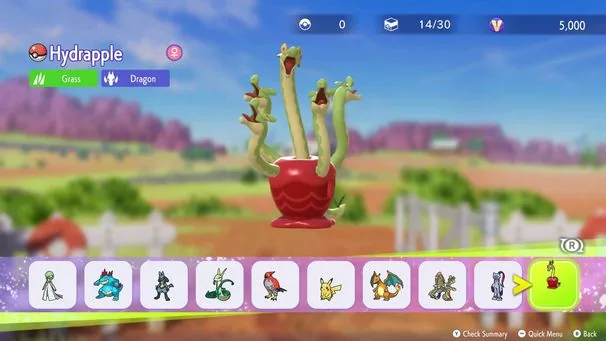
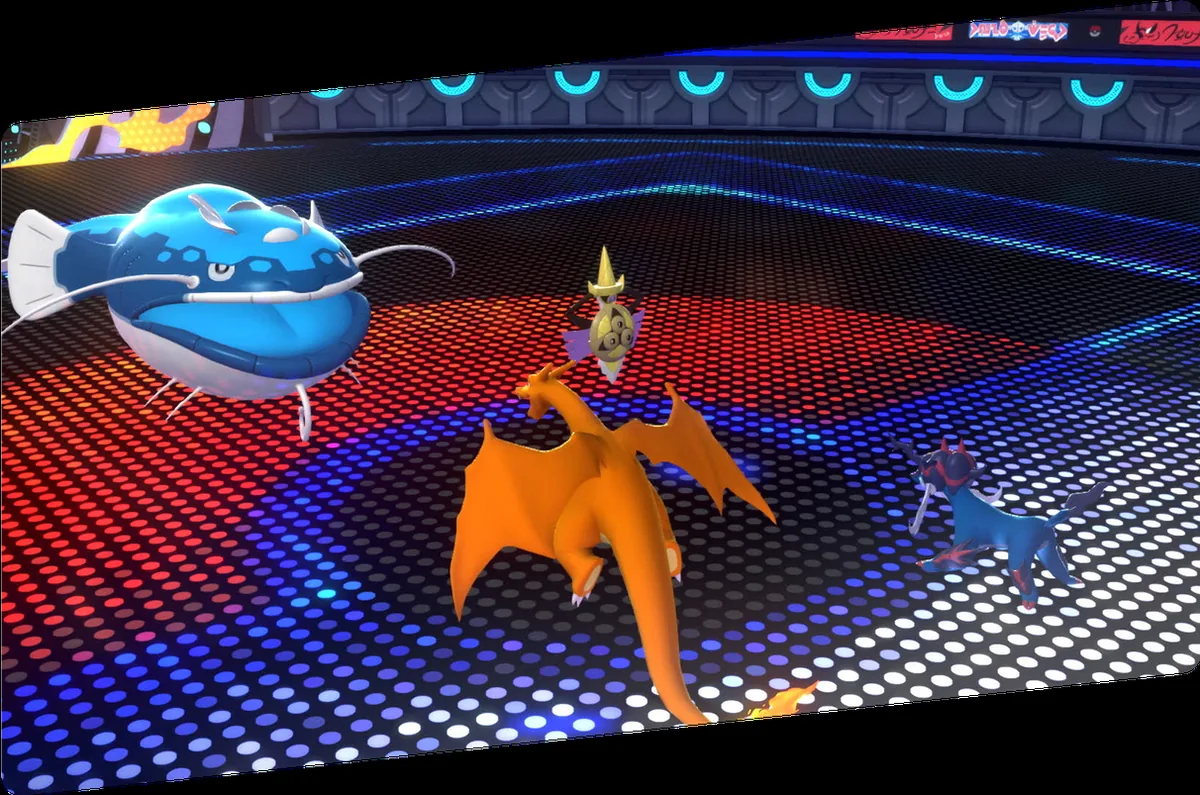
The current snapshot puts Floette in the top competitive tier of the observed community list. The current Singles usage group includes Garchomp, Primarina, Archaludon, Meowscarada, Mimikyu, Hippowdon, Gyarados, Dragonite, Metagross, Charizard, and Delphox. Those names are useful starting points, not a promise that any one Pokemon wins without the right partners.
For the next step, open the Pokemon Champions team-building guide for core ideas, then use the Pokemon Team Planner to check shared weaknesses and role coverage. The tier list narrows the search; testing decides whether the team works for you.
How this Pokemon Champions tier list is built
This is not an official ranking and it is not a single automated score. The snapshot combines the current community tier and usage pages checked on August 11, 2026 with role fit and format notes. That keeps the page useful when a high-usage Pokemon is excellent in one mode but awkward in the team you are actually trying to build.
- Lock the mode and date: Read Singles, Doubles, solo, or another format before comparing names. The check date stays visible because a tier list is time-sensitive.
- Use usage as evidence, not a verdict: A popular Pokemon has a reason to be tested, but popularity can reflect availability, novelty, or a small sample.
- Check the job it performs: Ask whether the pick supplies damage, speed control, disruption, safe switching, redirection, field pressure, or an endgame plan.
- Separate individual strength from team value: A lower-letter pick that completes your core can be better than a top-tier pick that repeats a role or exposes the same weakness.
- Record the source and regulation: Before copying a set, verify the legal roster, current regulation, move access, and whether the data page is measuring Singles or Doubles.
Current Pokemon Champions tier snapshot
The rows below combine the current community competitive snapshot and the observed Singles usage group. S/A/B labels are editorial shorthand for priority and consistency, not an official Pokemon Champions ranking. A difficulty or usage number does not replace a legality and matchup check.
| Tier or mode | Snapshot picks | How to read it |
|---|---|---|
| S — competitive snapshot | Floette | High-priority test when legal and suited to the format; confirm the regulation before building around it. |
| A — competitive snapshot | Kingambit; Basculegion | Strong pressure or flexible role, but the value depends on partners, speed control, and matchups. |
| B — competitive snapshot | Delphox; Venusaur; Charizard; Sneasler; Incineroar; Archaludon; Pelipper; Sinistcha | Useful picks with clearer support or matchup requirements; do not treat B as unusable. |
| Singles usage top group | Garchomp; Primarina; Archaludon; Meowscarada; Mimikyu; Hippowdon; Gyarados; Dragonite; Metagross; Charizard; Delphox | Popular in the current Singles snapshot; popularity is a reason to test, not a guaranteed win rate. |
| Doubles note | Kingambit leads the observed Doubles usage snapshot | Doubles rewards partner interaction, spread pressure, speed control, redirection, and positioning; do not copy Singles tiers unchanged. |
Checked August 11, 2026. Community sources use different formats and samples, so the list is a dated editorial aid. Recheck the linked source pages and the in-game regulation before publishing a team or claiming a permanent meta.
Singles and Doubles need separate tier lists
The phrase Pokemon Champions tier list sounds singular, but the useful answer depends on the mode. Singles rewards independent matchup control, reliable switching, speed thresholds, and the ability to make progress without a partner covering a turn. Doubles adds board position, partner combinations, spread damage, redirection, speed control, and the risk of losing two slots to one bad sequence.
That is why this page keeps a Singles usage group and a competitive snapshot together only as clearly labeled views. If a Pokemon appears in both, ask whether it rises for the same reason. If it appears in only one, the difference is often the format rather than a contradiction.
- Singles question: can this Pokemon create progress or deny a matchup on its own?
- Doubles question: what partner turns does this Pokemon create or require?
- Solo question: does the pick provide enough self-contained damage, recovery, or coverage?
- Regulation question: is the Pokemon, move, ability, and item legal in the format you selected?
Use the tier list by role, not only by rank
A letter tier is a filter, not a team plan. Once you have two or three candidates, write the job each one must perform and check whether another candidate does that job with fewer compromises. This prevents a team from becoming six high-ranked attackers with no safe switch, no speed plan, or no answer to common pressure.
The most useful Pokemon Champions teams usually have a clear win condition plus enough support to reach it. A role-based view also makes an older tier list less fragile: even when usage changes, a Pokemon that creates a particular kind of safe turn can remain useful in a different core.
- Win condition: the Pokemon or sequence that actually closes games.
- Speed control: a way to act first or make the opponent's speed plan less reliable.
- Defensive pivot: a switch-in or position reset that buys another useful turn.
- Disruption: pressure against setup, recovery, items, redirection, or predictable leads.
- Coverage: answers to the weaknesses that the main core invites.
- Backup mode: a second plan for when the obvious lead is countered.
Turn a tier list into a playable team
Pick one anchor from the current snapshot and describe its win condition in one sentence. Then select partners that create safe turns for that plan rather than simply adding more names from the S row. If you cannot explain what a new slot protects, pressures, or fixes, the slot is probably being chosen because the letter feels reassuring.
After the first draft, use the Pokemon Team Planner to look for repeated weaknesses and missing roles. Play enough games to see a pattern, write down the matchup or turn that failed, and replace one slot at a time. This produces better information than changing half the roster after one loss.
- Choose one anchor and one backup route to victory.
- Build a lead plan for common fast, slow, and balanced opponents.
- Check shared weaknesses, speed control, disruption, and safe switches.
- Test the exact Singles or Doubles ruleset instead of a different format.
- Change one slot after a repeated, documented problem.
Why this list can change quickly
Pokemon Champions is a live competitive environment. New regulations, legal roster changes, balance updates, new discoveries, and shifts in player habits can move a Pokemon without changing its underlying design. A dated tier list is more honest than an evergreen page that quietly keeps an old ranking.
Use the check date and sources as part of the answer. If your game client, regulation, or format is different from the snapshot, keep the method and role notes but recheck the names. The most reliable workflow is to compare several current lists, then test the shortlist in your own team rather than treating any one page as official.
- Recheck after a regulation or legal-roster change.
- Separate current usage from tournament strength and from solo comfort.
- Do not call a community list official unless the publisher says so.
- Keep the source date visible in your own notes and team document.
- Refresh the page when a new data window materially changes the shortlist.
Pokemon Champions tier list FAQ
Which Pokemon are S tier in Pokemon Champions right now?
The current competitive snapshot checked on August 11, 2026 places Floette in its top row. The separate Singles usage group is led by names such as Garchomp, Primarina, Archaludon, Meowscarada, Mimikyu, Hippowdon, Gyarados, Dragonite, Metagross, Charizard, and Delphox. Use the date and mode labels before treating any name as a recommendation.
Is the Pokemon Champions tier list official?
No. This page is an editorial summary of public community data and official game context. It does not replace the in-game regulation, the publisher's information, or your own matchup testing.
Should I build around the highest-ranked Pokemon?
Only when the pick solves a real team problem. A slightly lower-ranked Pokemon that supplies the speed control, safe switch, or partner interaction your core lacks can be the better choice.
Where should I go after reading the tier list?
Read the Pokemon Champions team-building guide for core principles, then use Pokemon Team Planner to inspect coverage and role balance. Return to the tier list only when you have a specific slot or matchup to solve.
Sources and freshness notes
Checked August 11, 2026. Official pages establish the game context; community tier data supplies the dated ranking snapshot. Community sources are not presented as official Pokemon rankings.
- Official Pokemon Champions site — official game overview, current availability, and battle context
- Official Mega Mawile team guide — first-party example of building partners around a central threat
- Pokemon Zone Champions tier list — community snapshot used for dated tier and usage context; verify the live page before relying on a rank
Use the tier list as a starting point
Pick a candidate, check the role it fills, and test the complete team in the regulation you actually play.
Open Pokemon Team Planner Read the Teams Guide