Pokemon Champions Teams: Best Cores & Building Guide
The best Pokemon Champions teams are not six individually strong picks. They combine a clear win condition, speed control, damage control, safe switching, and answers to the threats you expect to face.
Quick answer: build a plan, not a list
Start with one primary attacker or transformation focus, add partners that protect its weak turns, then fill the remaining slots with speed control, disruption, defensive pivots, and a second route to victory. A good team should still function when the obvious lead is countered.
Because formats and usage change quickly, treat published best-team lists as starting points. Check the current in-game regulation, test several leads, and update the weakest slot after real matches instead of copying a six-Pokemon list forever.

Six jobs every Pokemon Champions team should cover
One Pokemon may cover several jobs, but the full roster should answer all six questions before you queue.
- Win condition. Choose the Pokemon or combination that converts positioning into a clean endgame.
- Speed control. Use Tailwind, Trick Room, priority, speed drops, or naturally fast pressure so turns happen on your terms.
- Damage control. Include Intimidate, screens, redirection, recovery, resistances, or defensive transformations that buy extra turns.
- Disruption. Fake Out, Taunt, Encore, status, item control, and targeting pressure stop opponents from executing freely.
- Switching plan. Add resistances and immunities that let you rotate without losing a Pokemon every time.
- Backup mode. Prepare a second lead or attacker so one bad matchup does not invalidate the whole roster.
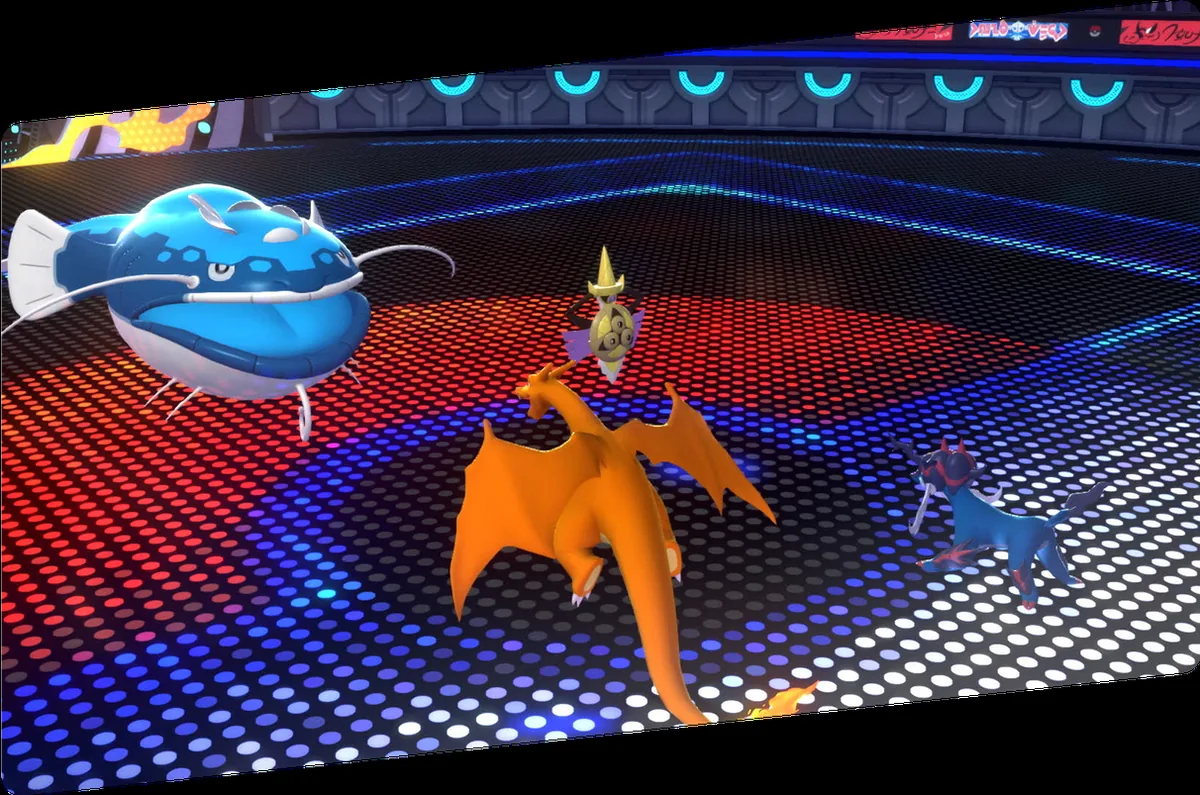
Three useful team-core directions
These are flexible archetypes, not permanent rankings. The right support slots depend on the live regulation and your own comfort.
| Core direction | What it does | Support to add | Main risk |
|---|---|---|---|
| Mega Mawile balance | Uses strong physical pressure while partners create safe turns. | Redirection, pivoting, speed control, special damage. | Fire/Ground pressure and passive turns. |
| Mega Raichu X offense | Creates immediate Electric/Fighting pressure and punishes slow positioning. | Ground answers, spread pressure, defensive pivot, alternate cleaner. | Speed ties, Ground attacks, predictable leads. |
| Mega Malamar control | Uses Contrary plus Superpower to gain power while attacking. | Redirection, speed control, special attacker, anti-status tools. | Fairy pressure and disruption before boosts begin. |
| Bulky pivot balance | Wins through repeated safe switches and favorable trades. | Reliable recovery, Intimidate, priority, late-game cleaner. | Can lack damage or lose to setup. |
| Fast dual-mode offense | Threatens two different lead plans from team preview. | One stable defensive switch and flexible speed control. | Fragile board states and limited recovery. |
Pokemon Champions team-building workflow
Pick a single sentence that describes how the team wins, such as “protect Mega Mawile until it can trade two-for-one” or “use speed control to let two attackers overwhelm the board.” If the sentence needs several unrelated conditions, the concept is probably too scattered.
Next, build four common leads and write what each lead is supposed to beat. Test neutral matchups first, then deliberately queue into bad matchups. Replace the slot that repeatedly contributes the least rather than changing three Pokemon after every loss.
- Write one win-condition sentence.
- Assign each slot one primary job and one secondary job.
- Prepare at least one aggressive lead and one safe lead.
What current official team examples teach
The official Pokémon site has published team-building features for Mega Mawile, Mega Raichu X, and Mega Malamar. The useful lesson is not only the featured Mega Evolution; each article starts from a central threat and selects teammates that create safe turns, cover weaknesses, or offer a different damage profile.
For example, the Mega Mawile guide highlights Comfey as a partner and discusses strong teammates such as Palafin or Zamazenta. The Mega Malamar guide pairs Contrary and Superpower with redirection from Indeedee-F and additional offensive pressure. Use these relationships as a model: every support Pokemon should create a specific turn your win condition can exploit.
- Copy relationships, not just species names.
- Keep physical and special damage available when possible.
- Add a partner that protects the first setup or transformation turn.
Choose leads from matchup goals
Do not default to the same two Pokemon. Against fast offense, prioritize immediate speed control or defensive disruption. Against slow bulky teams, lead enough pressure to stop free setup. Against uncertain teams, choose a flexible lead that can pivot without revealing your entire plan.
Team preview should produce a short decision tree: their likely speed mode, their strongest spread attack, their answer to your main attacker, and the safest switch available to you. This is more reliable than memorizing one scripted opening.
- Identify the opponent's fastest credible mode.
- Spot redirection, Fake Out, priority, and Trick Room options.
- Protect the Pokemon that matters most after turn two, not only turn one.
Test a team without overreacting
A useful test set includes at least ten games across different archetypes. Separate team-building errors from execution errors. If the correct line existed but you missed it, practice the position. If no reasonable line existed, adjust the roster, move, item, or training.
Track which Pokemon is selected, which lead is used, which threat causes the loss, and whether the game ended because of speed, damage, or positioning. Small notes reveal patterns that memory hides.
- Do not judge a team from one unlucky game.
- Do not keep a slot that is rarely selected.
- Retest after every meaningful regulation change.
Keep best-team advice current
Pokémon Champions launched on June 25, 2026, and its competitive environment is still moving quickly. Official strategy features published in July 2026 already show several different Mega-centered directions. Any page claiming one permanent best team should therefore be treated cautiously.
Before copying a team, verify the active regulation, eligible roster, move availability, and whether the source reflects Singles or Doubles. This guide focuses on reusable construction principles and dated official examples rather than pretending that one ranking will remain correct.
- Check the in-game regulation before building.
- Confirm whether advice is for Singles or Doubles.
- Prefer sources with a visible update date.
Pokemon Champions Teams FAQ
What are the best Pokemon Champions teams?
The best teams depend on the current regulation and matchup field. Strong teams usually have a clear win condition, speed control, defensive positioning, disruption, and a backup mode.
Should I use a Pokemon Champions team builder?
A builder is useful for spotting type overlap and recording sets, but it cannot replace matchup testing. Use the site's Pokemon Team Planner for structure, then verify legality in game.
How many attackers should a team have?
Most balanced teams benefit from at least two serious damage sources, ideally with different damage profiles, plus support that creates safe attacking turns.
Is a Mega Evolution required?
Mega Evolution is a major team direction in Pokémon Champions, but the rest of the roster still needs to function when the Mega is pressured or poorly matched.
How often should I change my team?
Change one element after a repeated, documented problem. Recheck the roster whenever a new regulation, balance update, or major strategy shift changes common matchups.
Official sources and freshness notes
Checked July 19, 2026. These first-party pages confirm current game availability, roster systems, and recent example team-building approaches.
- Pokémon Champions official site - current availability, battle focus, and official game overview
- Official Pokémon and team systems - recruiting, training, Pokémon HOME, and ideal-team information
- Official Mega Mawile team guide - recent first-party example of building support around a central attacker
- Official Mega Malamar team guide - recent first-party example using Contrary, Superpower, and redirection
Check your six-Pokemon structure
Use the planner to review type distribution and shared weaknesses, then return to this guide to assign roles and test leads.
Open Pokemon Team Planner Try Random Team Generator